



How to Use DBC After Its Listing on Binance: A Step-by-Step Guide
When a cryptocurrency like DBC (DeepBrain Chain) gets listed on Binance, one of the world’s largest crypto exchanges, users often wonder how to actually use it after the listing. DBC is an AI-focused blockchain project designed to provide decentralized computing power for artificial intelligence tasks. Its listing on Binance brings more liquidity and accessibility, but navigating the process of depositing, trading, and utilizing DBC correctly is crucial for both new and experienced users.
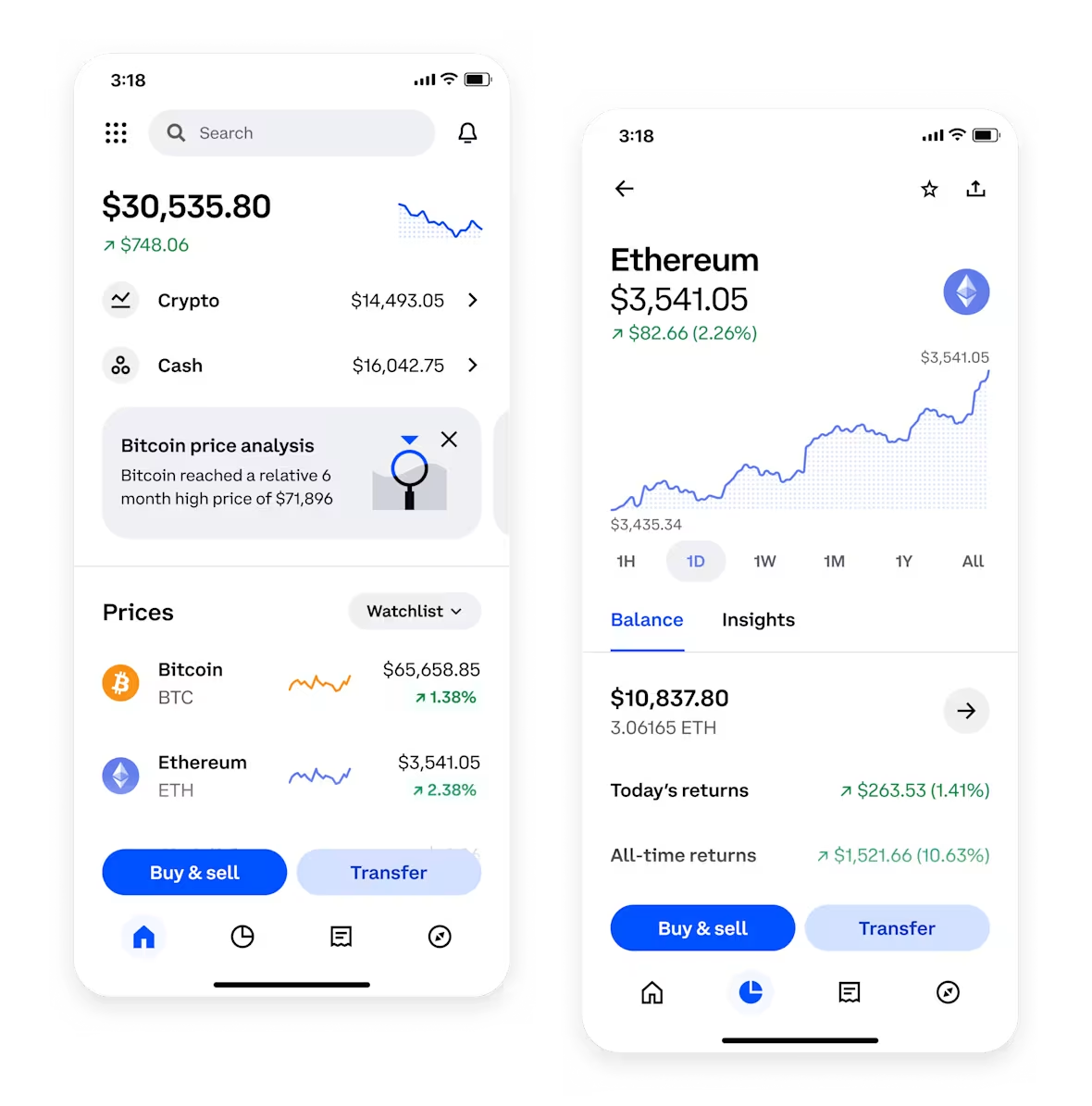
First, you need to ensure you have a verified Binance account. If you do not yet have one, sign up on the official Binance website or app, and complete the identity verification (KYC) process. This step is mandatory for most trading activities. Once your account is ready, you can search for DBC by typing “DBC” or “DeepBrain Chain” into the Binance search bar. The listing typically includes several trading pairs, such as DBC/USDT, DBC/BTC, or DBC/BNB. Before trading, check the current price and market depth available under the “Markets” section.
To acquire DBC, you have two main options: you can either deposit existing DBC tokens from an external wallet, or buy them directly on Binance. For depositing, go to “Wallet” then “Deposit,” select DBC, and copy the deposit address. Make sure you use the correct network (e.g., Ethereum ERC-20 or Binance Smart Chain, depending on DBC’s chain) to avoid losing funds. If you want to buy DBC, simply click the “Trade” button on the DBC trading page, choose your preferred pair (e.g., DBC/USDT), and place a market order (for immediate purchase) or a limit order (if you want to buy at a specific price). Ensure you have enough USDT, BTC, or BNB in your spot wallet to complete the transaction.
Once you own DBC, you might want to use it beyond simple trading. DBC is primarily utilized for purchasing AI computing resources on the DeepBrain Chain network. To do this, you need to transfer DBC to a decentralized wallet that supports the DeepBrain Chain, such as MetaMask (for ERC-20 version) or a wallet compatible with the BSC network. From there, you can connect to DeepBrain Chain’s decentralized applications (dApps) to lease computing power for AI model training, data processing, or other tasks. The DBC token acts as the “fuel” for these services, similar to how ETH is used for gas on Ethereum.
Staking or liquidity mining is another common use case. Some projects on Binance allow you to stake DBC to earn passive income. Check Binance’s “Earn” or “Launchpad” sections after the listing to see if DBC is available for staking, savings, or liquidity pools. Additionally, you can use DBC for cross-chain swaps via Binance Bridge if you hold it on a different blockchain. Always double-check the network compatibility and gas fees before transferring.
Security is vital. If you are not actively using DBC, consider withdrawing it to a cold wallet (e.g., Ledger or Trezor) or a secure decentralized wallet. Never share your private keys or Binance API keys. Also, be cautious of phishing scams that may mimic Binance or DeepBrain Chain during high-volume listing periods. Use only official Binance domains (binance.com) and verify contract addresses for DBC on CoinMarketCap or the project’s official website.
Finally, remember that a Binance listing often leads to increased market activity. Monitor the DBC price chart and trading volume regularly, but avoid making impulsive decisions based on short-term hype. Using DBC effectively—whether for AI computing, trading, or earning—requires understanding its underlying technology and network requirements. By following these steps, you can safely and efficiently use DBC after its Binance listing, maximizing both its utility and your investment potential.

发表评论